
Sam Altman fiddles while ChatGPT burns cash
OpenAI didn’t spend the last month fixing hallucinations.
It didn’t fix context windows, or the memory failures that cripple long-form work and interfere with adoption and scale.
It didn’t solve the governance gaps that make enterprises wary, or the broken economics that are bleeding capital at an unsustainable clip.
Instead, OpenAI launched a pack of cartoon personalities.
- A witty assistant.
- A snarky assistant.
- A flirtatious assistant.
- A pirate assistant.
In other words: a talent-rich research lab, sitting on the most compute-intensive model ever deployed, burning cash at a rate no business can sustain… decided the next big feature should be funny voices.
This is late-stage product behavior.
When a platform can’t fix its structural problems, it ships novelties to distract users from noticing.
ChatGPT doesn’t need personalities.
ChatGPT needs an architecture that works under load — a memory system that doesn’t collapse, a context window that doesn’t choke, a governance layer enterprises can trust, and a revenue model tied to measurable value.
Every hour spent inventing characters is an hour not spent solving the actual problems.
Where are the headlines asking why OpenAI is spending engineering hours on gimmicks instead of infrastructure? Where is the analysis of usage flattening, cost curves bending the wrong way, or the strategic drift behind these choices?
Nowhere.
Because the press isn’t reporting — it is parroting press releases, happy to repeat the talking points instead of interrogating them.
The truth is simple:
ChatGPT needed durability. OpenAI shipped decoration.
And investors should be asking a very direct question:
When a company starts producing costumes instead of product, what does that say about the leadership’s priorities — and how close are we to the moment when the economics stop working altogether?
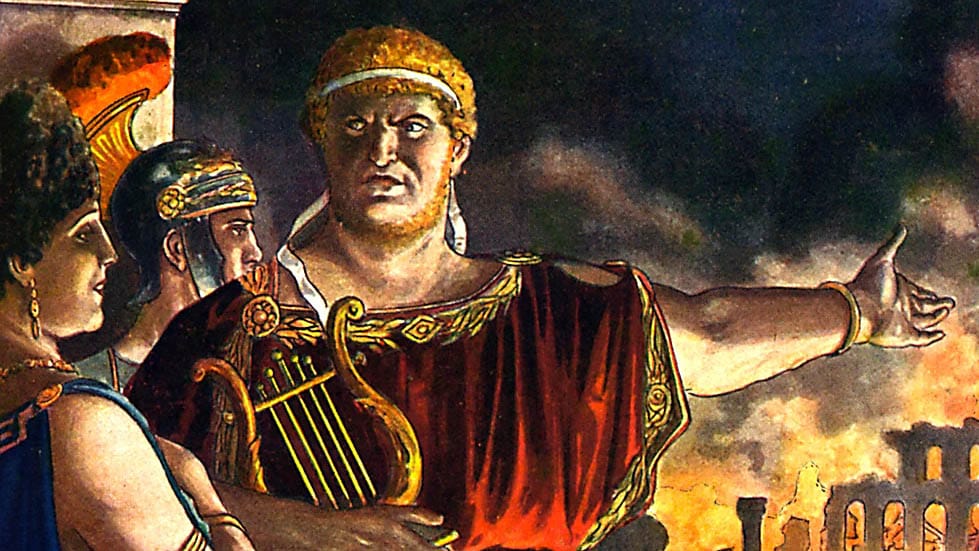
Because Rome isn’t just burning. It’s burning cash.
And the man holding the fiddle is pretending it’s music.