
Make AI your own

Joni Mitchell never accepted a guitar as it was handed to her.
She tuned it.
And then she tuned it again.
And again.
Over her career, she used dozens of custom guitar tunings, some so unconventional they barely resembled standard tuning at all. One was nicknamed California kitchen tuning. Another existed only to unlock a sound she heard but couldn’t reach any other way.
She didn’t fight the instrument.
She reshaped it.
That’s how great tools work. They don’t impose themselves on the user. They invite collaboration.
And that’s exactly what’s missing from AI today.
From collaboration to control
In the early days of personal computing, using a computer meant collaborating with it.
You could crack the case.
You could add RAM.
You could swap out a SATA drive for an SSD
You could take a slow machine and make it faster because you knew what you needed.
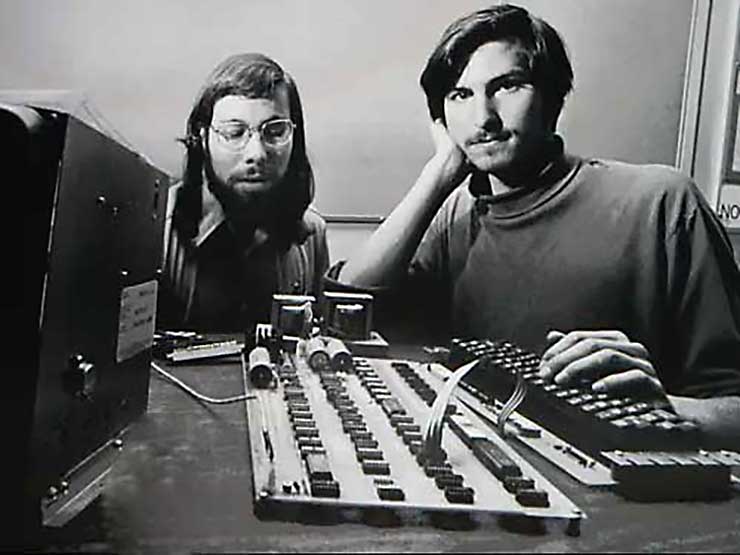
Apple’s old unibody MacBook Pros weren’t just durable. They were participatory. You didn’t need permission to improve them. That was Steve Wozniak’s ethos – even before the Macintosh, with the original Apple computers.
Then Apple sealed the box shut.
It built the “walled garden.” Microsoft built the maze it called the “Windows Registry.” Hardware became soldered. Software became opaque. Configuration turned into a risk. The message was clear: Don’t touch. Just use.
Users adapted. They stopped shaping the tool and started conforming to it.
That model worked for a long time.
But it breaks completely with AI.
A new kind of software
AI is not a static tool. It’s interactive, conversational, adaptive. For the first time, software can listen.
That changes everything.
Because now the user doesn’t just click buttons. The user can say, this is what I want. And the system can respond. Learn. Remember. Iterate. Improve.
Or at least, it could.
But today’s AI systems don’t let users tune anything that matters.
They forget.
They hallucinate.
They reset.
They behave differently every time.
So users disengage.
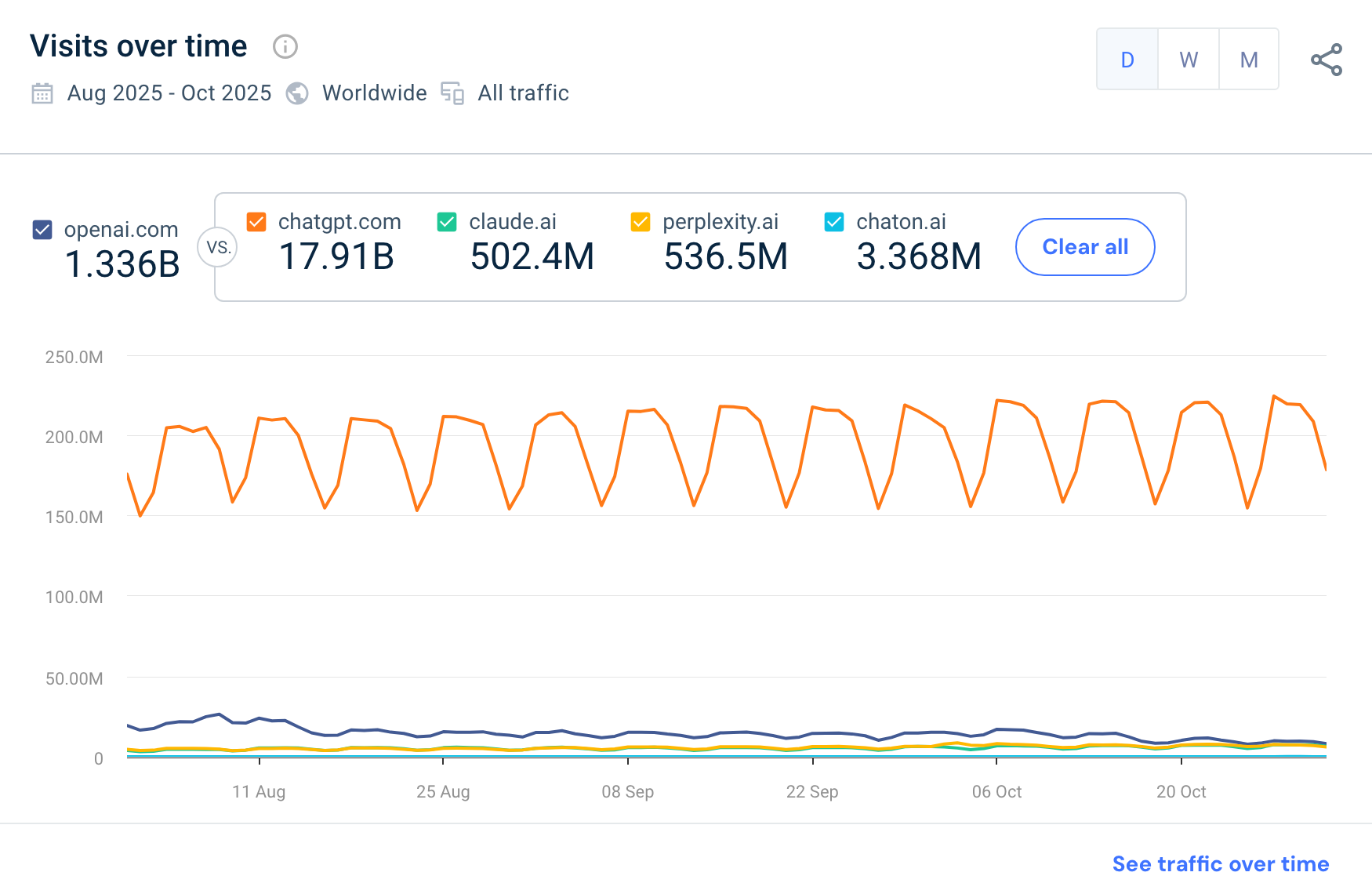
Adoption hasn’t slowed.
It has stalled. Flatlined.
Governance is not the problem, it's the solution
In AI circles, governance is treated like a liability. A compliance tax. A regulatory chore. Something that slows things down.
That framing is backward.
Governance is the missing interface.
Users don’t abandon AI because it’s imperfect. They abandon it because they have no agency. They can’t steer. They can’t set boundaries. They can’t teach the system how they want it to behave and trust it will remember.
So every failure feels arbitrary. Every error feels unfixable. And every interaction feels disposable.
That’s not how humans build relationships. With people or with tools.
The elegant solution
This is where the Elegant Solution appears.
Two problems:
Problem A: Governance is feared, avoided and poorly implemented.
Problem B: Adoption is stalled.
The elegant move is not to minimize governance.
It’s to reframe it.
When governance is made available to the user, it stops being control and becomes tuning.
Just like Joni’s guitar.
Users don’t want to dismantle AI. They don’t want a screwdriver. They want tuning pegs. They want to say:
Remember this.
Forget that.
Be careful here.
Don’t do that again.
Do it this way, every time.
Give users that agency and something remarkable happens.
They become more tolerant of failure.
More invested in improvement.
More engaged in collaboration.
Adoption follows.
Why this works
People aren’t stupid. They know what they want.
They’ve spent decades being controlled by software. Now, for the first time, software can be controlled by them. Not at the hardware level. At the intent level.
That’s a generational shift.
AI doesn’t need to be sealed or byzantine. It needs to be tunable. Governed memory. User-defined boundaries. Persistent preferences.
Not to restrain the system.
To align it.
That’s how instruments become extensions of the artist.
That’s how tools become trusted.
That’s how adoption happens.
Make AI yours
Governance isn’t a brake on AI.
It’s the steering wheel.
And when users are finally invited to take the helm, AI stops being something that happens to them and becomes something they shape.
That’s the future of AI adoption.
Make AI yours.